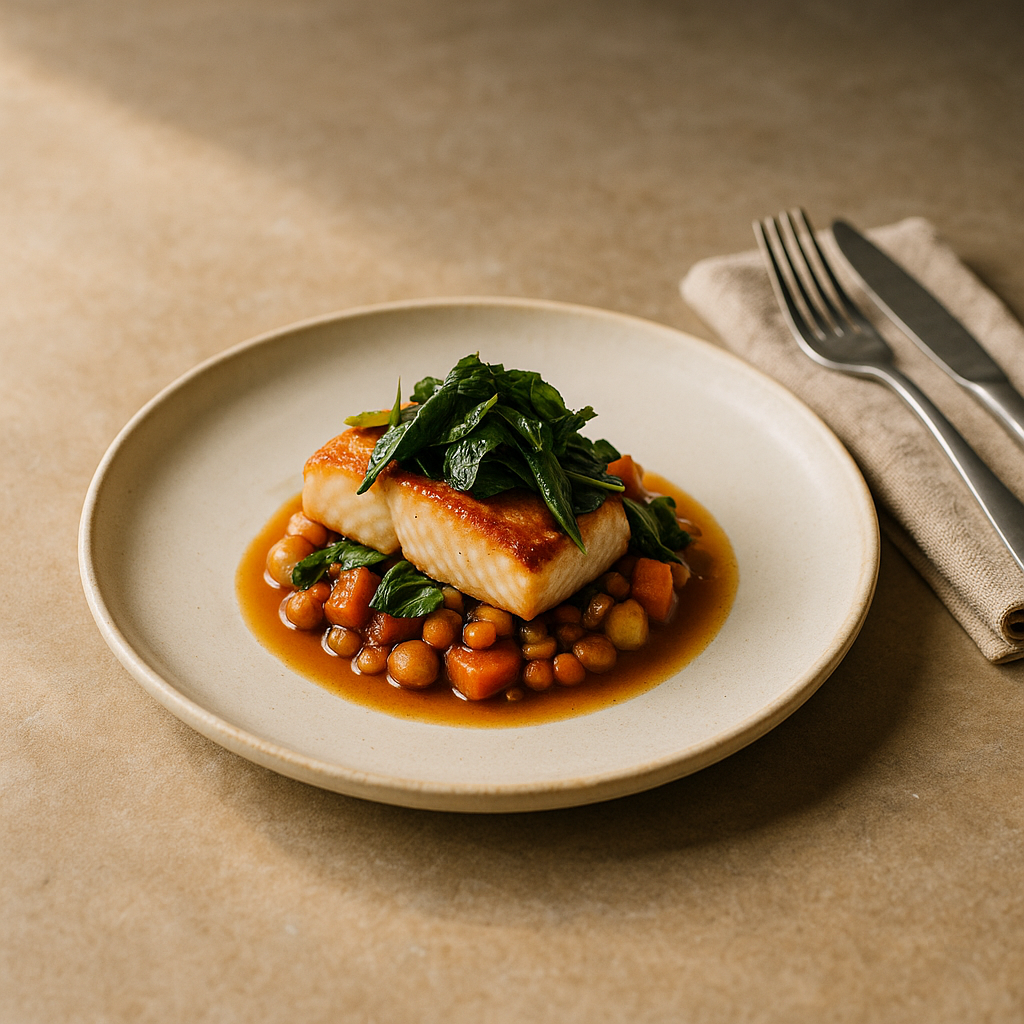
Your menu deserves images that make people hungry. The fastest way to get there is a clear, comprehensive food photographer brief. Whether you are booking a freelancer or testing an AI workflow, a great brief aligns creative direction, operations, and sales so you avoid reshoots and missed deadlines. In this guide, you will learn what to include, how to set expectations, and how to keep everyone centered on one goal: images that sell dishes on your website and delivery platforms.
Prefer an instant option that removes guesswork? Generate menu-ready images in minutes with FoodFix.
What to include in your food photographer brief
Think of the brief as a contract for clarity. At minimum, include:
- Business goals: what success looks like (bookings, conversions on delivery apps, menu refresh)
- Brand and style references: mood, color palette, do and do-not rules
- Menu scope: exact dishes, add-ons, and variants to be photographed
- Shot list: angles, framing, hero shots, and alternates per dish
- Styling plan: plating, props, surfaces, garnishes, portion sizes
- Lighting and mood: bright and crisp, moody, natural, or artificial
- Backgrounds and orientation: portrait, landscape, square, negative space
- Technical specs: file types, color profile, resolution, naming convention
- Platform needs: requirements for your website, POS, Glovo, Uber Eats, and Just Eat
- Logistics: date, location, call sheet, crew, contacts
- Deliverables and deadlines: number of selects, retouching level, turnaround
- Usage rights: where and how long the images will be used
- Budget and payment terms: fees, expenses, contingencies
Clarify style and commercial goals
Start with why. Are you aiming for higher delivery sales, a rebrand, or seasonal specials? Write a one-paragraph creative strategy that links visuals to business outcomes. Be specific:
- Audience: families on weeknights, office lunch buyers, weekend brunchers
- Brand voice: premium and restrained, playful and bold, rustic and generous
- Emotional cue: fresh, indulgent, comforting, celebratory
- Competitive context: how your visual signature should stand out locally
Provide 6–10 image references with one-line notes each. Focus on lighting, plating, color saturation, and contrast. Call out what to avoid (melting cheese close-ups, dark slate surfaces, excess props) if those conflict with your brand.
Pre-production: menu, styling, and props
Photographers cannot fix missing prep or inconsistent plating. Lock down these pieces in the brief:
- Final dish list with descriptions, ingredients, and any variants (spicy, vegan, gluten-free)
- Approved plating for each dish, including plate size, garnish, and sauce placement
- Props: cutlery, napkins, linens, glassware, and brand assets (logo boards, packaging)
- Surfaces and backdrops: wood, marble, parchment, colorful papers; note the exact textures
- Freshness plan: when food leaves the kitchen, backup portions, and hot/cold management
Include a simple run-of-show: dish order, prep timing, and who signs off. This prevents a chef from finishing 10 plates at once only to watch them die under lights.
Build a precise shot list and framing guide
A good shot list removes guesswork and speeds up approvals. For each dish, specify:
- Primary angle: overhead (90°), three-quarter, or straight-on
- Framing: tight detail vs. wide with negative space for text
- Orientation: square for delivery apps, vertical for social, landscape for web banners
- Variations: plain hero, with cutlery, with hand, with pour or pull action
- Detail close-ups: key textures like grill marks, sauce sheen, crisp edges
Label the business use next to each shot. Example: Spaghetti Bolognese — Overhead square hero for delivery app, three-quarter with fork twirl for website tile, detail of sauce for seasonal promo.
Nail lighting, backgrounds, and mood
Lighting defines appetite appeal. Declare it up front:
- Bright and clean: soft light, minimal shadows, crisp whites
- Natural and cozy: window light, gentle falloff, warm tones
- Dark and dramatic: low-key with controlled highlights, moody contrast
Pair lighting with background rules. If your brand uses bright colors, specify background hues and how they rotate across dishes. If you need consistent white or off-white for marketplaces, state the exact value (neutral white, no color casts) and whether shadows are soft, hard, or clipped.
Logistics, deliverables, rights, and budget
Turn creative ambition into production reality with details your photographer will appreciate:
- Location: studio, your dining room, or a rented kitchen; note power, space, and load-in
- Schedule: setup time, shooting window, meal breaks, wrap, and buffer time
- Crew: photographer, food stylist, assistant, runner; who is responsible for what
- File specs: JPEG or PNG for delivery apps, TIFF or high-quality JPEG for print; sRGB color profile for web; name files with dish name, variant, and orientation
- Image sizes: request platform-ready sets (square, vertical, landscape) and master files sized for web and print
- Delivery method: shared drive, DAM, or direct upload to your CMS or delivery platforms
- Retouching: color balance, crumb cleanup, steam or drizzle touch-ups, flare reduction
- Turnaround: first proofs by a set date, finals by another; note rush fees if any
- Usage rights: channels (owned website, social, ads, delivery marketplaces), territories, and duration; confirm buyout vs. limited use
- Contingencies: substitutions if a dish sells out, breakage, last-minute menu changes
If you operate across multiple platforms, include the strictest technical requirement as your baseline so one image set works everywhere. This avoids extra edits.
On-shoot workflow and approvals
Make approval friction-free:
- One decision-maker on set, with a backup if they step away
- Tethered capture to a laptop or monitor so stakeholders can check focus and styling
- Green-yellow-red system: green approved, yellow needs tweak, red reshoot
- Real-time checklist against the shot list to ensure no dish is missed
Keep the kitchen informed via the run-of-show. The best-looking dishes are plated with calm hands and clear timing.
Example mini case study: from chaos to clarity
A neighborhood ramen bar needed 24 dishes shot for a website refresh and three delivery marketplaces. Their first attempt without a structured brief stalled: inconsistent backgrounds, missing variants, and a week of email ping-pong.
They rewrote the assignment into a true food photographer brief with a three-part structure: creative goals tied to sales priorities (emphasis on warm, inviting broths and add-on sides), a dish-by-dish shot list with angles and crops, and a logistics sheet listing file specs per platform, naming conventions, and who signs off. On the reshoot day, the chef plated in the agreed order, a single marketing lead approved each frame on a tethered monitor, and the photographer exported platform-ready crops using the naming template. Result: no reshoots, consistent thumbnails across apps, and a faster go-live.
When to choose an AI alternative
If timelines are tight or you need volume without coordinating a full crew, consider an AI-first option. FoodFix is built for restaurant menus and delivery platforms, producing consistent, on-brand food images in 99 seconds. Pricing is straightforward: €1.5 per shot, a €45/month Pro plan with 30 photos, and a €225 full-menu package when you want your entire catalog fast. The output is engineered for websites, Glovo, Uber Eats, and Just Eat, so you spend less time resizing and more time selling. FoodFix also gives you style control and repeatable results across new dishes and seasonal refreshes.
FAQ
What is a food photographer brief?
It is a written document that tells the photographer what to shoot, why it matters, how it should look, and how the files will be delivered and used. It aligns creative direction, operations, and commercial needs so you do not rely on guesswork.
How long should the brief be?
Long enough to be unambiguous and short enough to be read. For most restaurants, two to four pages with a tight shot list is ideal. Include links or a one-page mood board, and put all logistics, specs, and rights on a single summary page.
Do I need a mood board if I already know my brand?
Yes. A mood board turns taste into something visual and objective. Ten well-chosen references can prevent dozens of subjective comments later. Note what you like and what to avoid so the photographer and stylist stay aligned.
What if I cannot afford a traditional shoot right now?
Do not pause your menu updates. FoodFix can deliver consistent, platform-ready images rapidly and at a fraction of typical production complexity. Use it to launch or refresh first, then commission a bespoke shoot when you need highly specific storytelling.
How do I prevent inconsistent thumbnails on delivery platforms?
Decide one hero angle per category, define background and negative space rules, and request crops for each platform up front. Name files consistently, and keep a reference grid so future dishes match exactly. Tools like FoodFix help maintain that uniformity over time.
What should I clarify about image rights?
State channels (website, social, print, paid ads, marketplaces), territories, and duration. Confirm whether you have a full buyout or limited license. If in doubt, ask the photographer to write the license in plain language and list any restrictions.
With a sharp food photographer brief, you protect your shoot day, avoid surprises, and get appetizing images that move diners from scrolling to ordering. Whether you partner with a photographer or streamline with FoodFix, the clarity you write today becomes the visual equity your brand banks tomorrow.