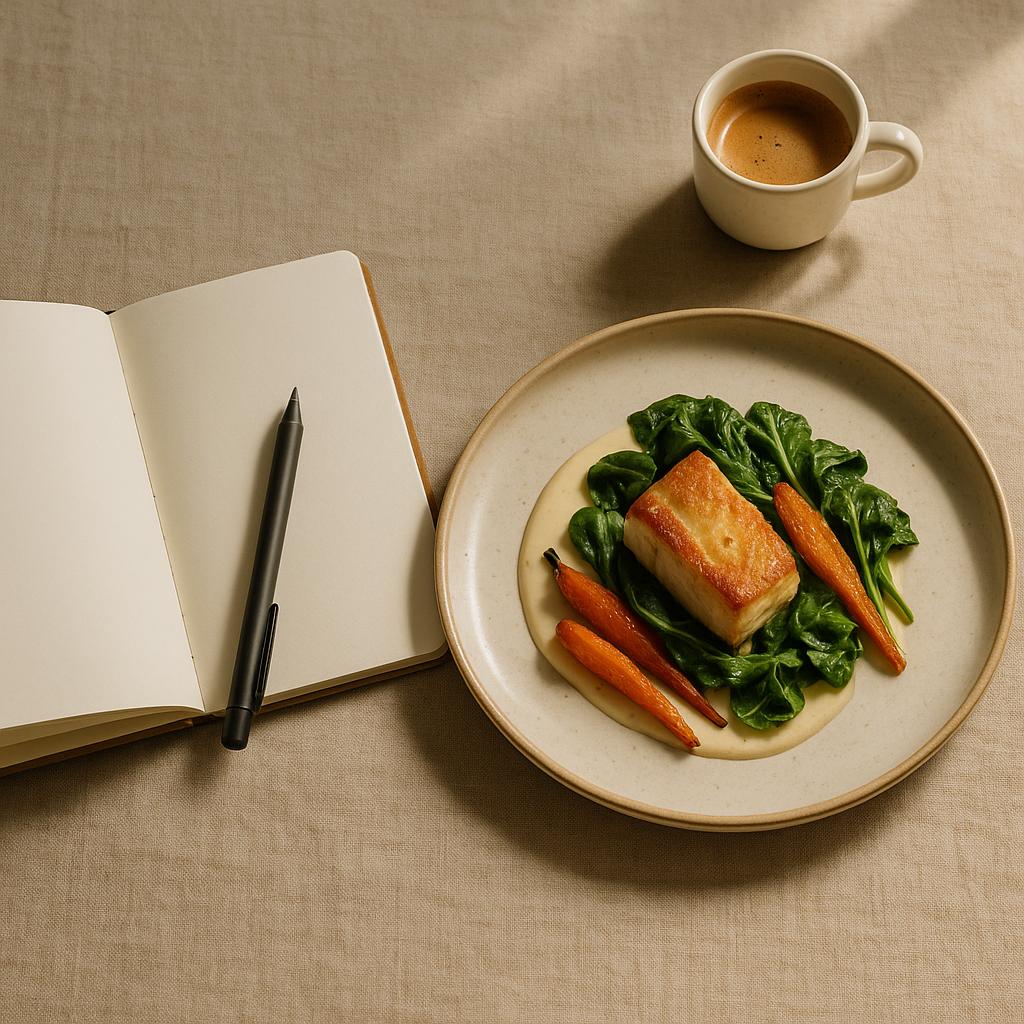
In 2026, diners scroll faster and decide sooner. As we map food photography trends 2026, three forces shape the plate: algorithmic feeds, short-form video habits, and AI tooling that removes production bottlenecks. The winners will balance realism with crave appeal — and execute at speed. This is where FoodFix slots in as the pragmatic alternative to traditional photography.
If you run a restaurant or manage marketplace menus, the bar has moved from one-off hero shots to a consistent, templated system across SKUs. The upside: better visibility, smoother brand recall, and faster menu testing without the shoot-day overhead.
Food photography trends 2026 to watch
- AI-styled lighting, human realism: Automated relighting and shadow control make dishes pop without plastic-looking highlights. The direction is tastefully cinematic: soft edge lights on glossy elements (sauces, glazes), matte control on starches, and natural falloff that feels like a window-lit pass.
- Vertical-first framing: Feeds and discovery units reward 4:5 and portrait crops. Tight, tall compositions with a clear focal ingredient outperform wide table scenes because thumbnails render larger subject matter with less noise.
- Motion micro-loops: Subtle movement (steam wisp, syrup drip, sparkle on a soda) adds stop-the-scroll energy without turning your menu into video. Keep loops under a second and restrained; the intent is “alive,” not “gimmick.”
- Textured realism: Crisp macro textures — seeded crusts, char blisters, chilled condensation — communicate freshness. Expect shallow depth-of-field and high micro-contrast, paired with restrained color grading to stay true-to-life.
- Clean minimalism meets craft maximalism: Two co-existing looks dominate. Minimalism: neutral backdrops, tidy plating, generous negative space. Craft maximalism: handcrafted surfaces, linen folds, imperfect ice, and visible human touch. Pick one lane per brand to avoid cognitive dissonance.
- Ingredient-forward clarity: Clear separation of hero components helps with dietary trust. Without adding text overlays (many marketplaces restrict them), frame the dish so key allergens and star ingredients are visible.
- Sustainable aesthetics: Warmer natural tones, recycled-paper textures, and reusable-ware cues communicate values. Even when shooting delivery portions, props that imply sustainability (wood, linen, ceramics) are trending over glossy plastics.
- Template-driven consistency: Brands standardize 2–3 angles per category (e.g., burgers at 45°, bowls top-down, beverages at eye level) for a cohesive grid that algorithms and humans recognize.
- Color discipline: A restrained palette with one pop color per frame (a basil leaf, chili oil streak, or citrus wedge) tests well. The goal: make the focal hue carry the appetite signal without oversaturating the entire image.
- Faster iteration cycles: Instead of seasonal overhauls, teams swap or relight visuals weekly for price tests, LTOs, and bundling experiments. Industry reports indicate that frequent visual refreshes can support single- to low double-digit improvements in listing engagement, depending on category and market.
Delivery marketplaces: what actually matters in the feed
You’re not shooting for a gallery; you’re competing in a scrolling feed against lookalikes. Prioritize:
- Aspect ratios that survive crops: Square (1:1) and 4:5 portrait protect your hero from edge trims on marketplaces like Glovo, Uber Eats, and Just Eat.
- Big, clean subjects: Fill the frame with the dish. Avoid busyness; thumbnails compress detail.
- Readable layers: Stack or angle dishes so key components are legible at 100–200 px.
- Backgrounds that vanish: Soft, neutral backdrops keep the eye on the food and help your brand color pop where you choose.
- Lighting repeatability: Soft key light from a consistent side plus gentle fill avoids harsh reflections on sauces and glazes.
- File hygiene: Crisp, light files that load instantly. Avoid heavy grain or needless overlays that add weight without adding appetite.
Workflow: adopt the trends without hiring a photographer
You can ship modern visuals with a simple, repeatable pipeline:
1) Build a shot list by category
- Assign angles per SKU family (e.g., bowls top-down, sandwiches 45°, desserts 45° macro). Note garnish standards and hero components.
2) Standardize lighting
- One soft key (window or softbox) 45° off-axis, white card fill opposite, matte surface to control glare. Keep ISO low; rely on diffused light rather than filters.
3) Curate a backdrop kit
- One neutral surface (light cement or parchment), one warm craft surface (wood or linen), one brand-pop accent you’ll use sparingly.
4) Capture on modern phones
- Current smartphones shoot excellent 12–48 MP stills. Lock exposure, tap-to-focus on the hero ingredient, and shoot a burst at each angle.
5) Process with automation that understands food
- FoodFix processes images to marketplace-ready specs with consistent relighting, cleanup, and background control. FoodFix pricing is straightforward: €1.5 per shot, a €45/month Pro plan with 30 photos, a €225 full-menu package, and a 99-second turnaround per image.
6) Systemize updates
- Calendar a rolling refresh (e.g., five SKUs per week). Swap hero images for LTOs and bundles, and archive variants for seasonal reuse.
Try FoodFix to spin up a production line in minutes — from planning to published images without booking studio time.
Mini case study: the fast-casual mezze bar that stopped guessing
A neighborhood mezze bar had solid reviews but flat delivery conversions. Their grid mixed dim phone snaps, different plates, and inconsistent angles. We helped the team lock a two-angle system (top-down for platters, 45° for wraps), introduced a neutral stone backdrop, and matched lighting across SKUs. They then ran a weekly visual refresh cadence using FoodFix to process captures into clean, marketplace-ready imagery.
Within weeks, their feed looked intentional: bright, textured falafel; glossy tahini with controlled highlights; and wraps cut to reveal fillings. Industry reports indicate that consistent, well-lit visuals and periodic refreshes can support single- to low double-digit gains in click-through and add-to-basket rates (roughly 5–15%), especially in competitive categories; the mezze bar observed a similar pattern in their marketplace analytics after standardizing their visuals.
Checklist for 2026 shoots
- Decide your lane: clean minimalism or craft maximalism — and stick to it.
- Lock angles per category and document them.
- Use one soft key light and gentle fill; avoid harsh overheads.
- Compose for 1:1 and 4:5; protect the hero from edge crops.
- Keep one accent color per frame to guide the eye.
- Show textures: crisp edges, fresh herbs, controlled condensation.
- Maintain neutral backgrounds; let the dish own the space.
- Refresh a handful of SKUs weekly; archive variants for tests.
- Automate post-production to ensure speed and consistency.
FAQ
What aspect ratios and crops work best on delivery apps in 2026?
Square (1:1) and 4:5 portrait are the safest bets for feed and menu tiles. Compose tightly so the subject remains centered after automatic crops. Leave a touch of negative space at the edges in case platforms trim margins.
How much motion should I use in micro-loops?
Keep motion subtle and purposeful: a brief steam wisp or a short drizzle. Overactive loops distract and can look like ads, reducing trust. Aim for under a second and ensure the first frame reads beautifully as a still.
Will AI-enhanced or heavily edited photos be penalized?
Marketplaces optimize for clarity, speed, and trust. Heavily artificial looks can hurt performance; however, tasteful enhancements that preserve realism are accepted and often preferred. The rule of thumb: if it looks like the dish you’ll deliver, you’re safe.
How often should I refresh menu images?
Industry reports indicate that quarterly refreshes help most brands, with higher-frequency swaps (weekly or monthly) supporting LTOs and pricing tests. Rotate a few SKUs at a time to avoid overwhelming operations while keeping the grid feeling alive.
What if my budget is tight?
Prioritize a consistent lighting setup and a small backdrop kit, then automate post-production. Automation keeps quality high without studio costs, and it frees your team to focus on menu engineering rather than photo retouching.
Food photography in 2026 rewards brands that systemize: clear angles, disciplined color, textured realism, and fast iteration. With the right pipeline — and tools built specifically for restaurants — you can publish craveable, on-brand images at the pace your menu evolves. FoodFix makes that practical.