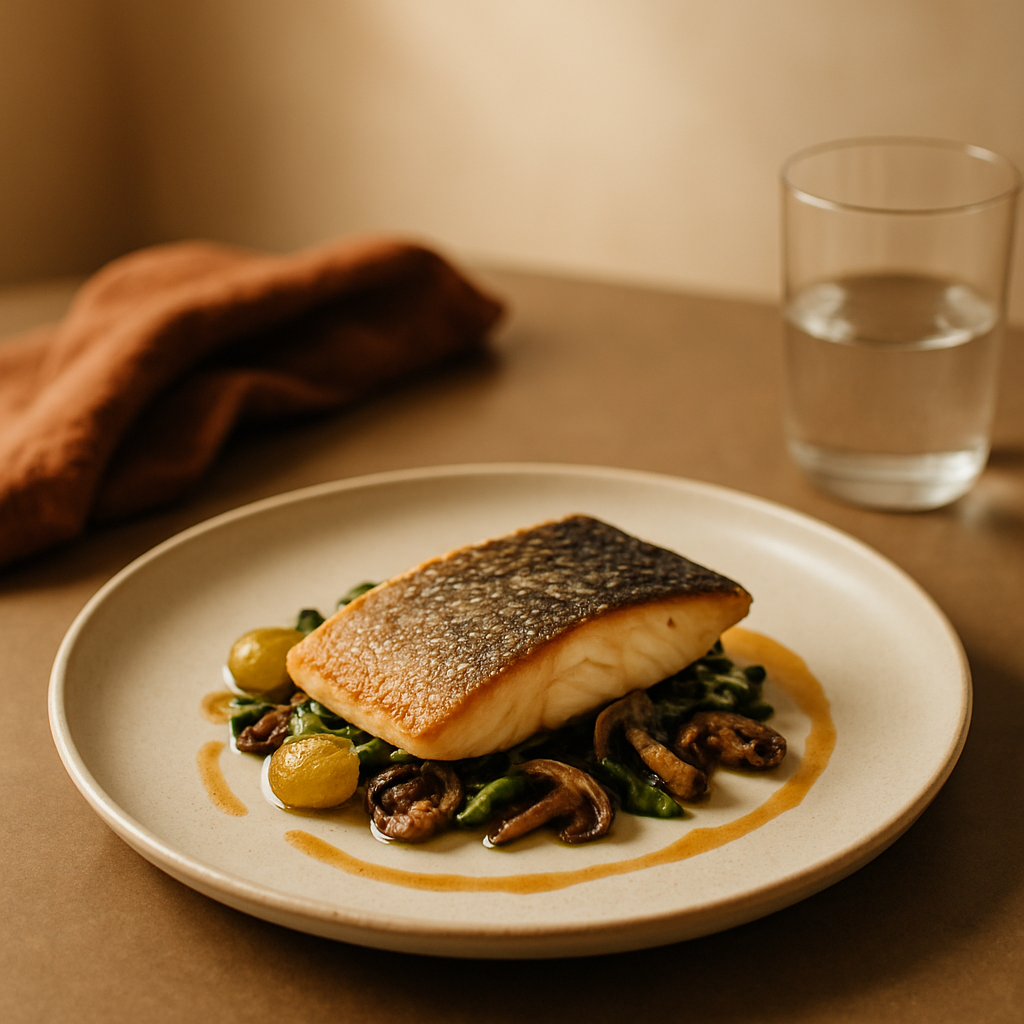
If your menu shots feel flat, the problem may not be your camera—it’s your angle. In food photography composition, angle decides what the guest notices first, how big portions look, and how appetizing textures read on screens. Choose between top view, 45°, or close-up with intent, and your dishes will sell the story you want to tell. FoodFix helps restaurants systemize this choice at scale, so every dish gets its most persuasive angle without hiring a traditional photographer.
Why angle matters in food photography composition
Angle isn’t just a style; it’s strategy. Each viewpoint emphasizes different qualities of a dish:
- Form and structure: A 45° angle shows height, layers, and stack—great for burgers or pancakes.
- Pattern and variety: A top-down flat lay reveals symmetry, plating geometry, and groups of items.
- Texture and indulgence: A close-up leans into gloss, crumbs, bubbles, and melt—perfect for rich, craveable details.
For menus, the right angle clarifies what a guest is buying. On delivery apps, it also has to survive small thumbnails and fast scrolling. Industry reports indicate that clear, consistent imagery correlates with higher click-through and fewer order errors—angle is a major contributor to that clarity.
The three workhorse angles at a glance
- Top view (90°): Camera directly overhead. Best for graphic compositions, bowls, pizzas, and spreads where shape and variety matter more than height.
- 45° angle: Camera tilted roughly 30–60°, mirroring how we look at plates on a table. Best for stacked items, sandwiches, layer cakes, and anything with vertical drama.
- Close-up (macro to tight crop): Camera or crop pushes in on a focal area. Best for sauces, sear, frosting, steam, and other appetite cues that sell indulgence.
When to use top view (flat lay)
Top-down excels when the hero is shape, color, or quantity rather than height.
Use it for:
- Pizzas, galettes, and flatbreads where toppings and crust ring matter
- Grain bowls, poke, ramen, and salads with distinct compartments
- Tapas, mezze, and sharing platters with multiple small items
- Breakfast layouts (eggs, toast, sides) and tasting menus
Composition tips:
- Think geometry: center round plates; align rectangular boards with frame edges.
- Use negative space to avoid crowding; let the plate breathe.
- Add simple top-down props (a folded napkin, a ramekin) to frame the hero without stealing attention.
- Control glare by diffusing light; glossy soups or sauces can blow out highlights when shot from above.
Avoid top-down when:
- The dish relies on height or layers (burgers, parfaits, stacked pancakes).
- The garnish is the only pop of texture; it may look flat without side lighting.
When to use 45° (the natural diner POV)
This is the most versatile angle for plated entrées and hand-held foods that benefit from depth.
Use it for:
- Burgers, sandwiches, bagels, and wraps that showcase fillings
- Pancakes, waffles, and layer cakes that prize height
- Pasta mounds, grilled proteins, and composed plates with a clear front-to-back flow
- Drinks with foam or garnish (latte art, cocktails with a rim)
Composition tips:
- Place the hero slightly forward in the frame; let background sides blur.
- Stagger elements from front to back to create depth (protein front, sides mid, garnish back).
- Use a shallow depth of field to keep the viewer’s eye on the bite zone (where you’d take the first bite).
- Watch cut lines: a burger cut on bias reads juicier and tidier at 45° than a straight cut.
Avoid 45° when:
- Bowls with busy toppings flatten because you can’t see the surface pattern well enough.
- Very wide plates with low elements read sparse from the side.
When to use close-up (tight and tactile)
Close-ups sell sensation—crunch, drizzle, melt. They’re strong secondary images, social trims, or hero shots for indulgent promos.
Use it for:
- Melting cheese, seared crusts, charred edges, sugary glaze, or bubbling sauces
- Knife cuts inside cakes and sandwiches to reveal crumb or filling
- Rims: sugar, salt, cocoa, spice oils on soups
Composition tips:
- Choose a single focal point (the bite, the drizzle, the crumb). Everything else should gently fall out of focus.
- Clean aggressively. A stray smear looms large at macro distances.
- Crop with intent. Let the dish bleed off the frame to feel immersive.
- Balance shine and shadow: a small bounce card adds dimension without killing contrast.
Avoid close-ups when:
- Guests need to understand portion size or the full set of components.
- The dish has delicate structure that collapses under tight crops.
Food photography composition by channel (menus vs delivery apps)
Your angle has to work where it appears most.
- Printed or web menus: Show clarity first, character second. 45° often wins for mains; top-down for bowls and pizzas. Use close-ups as supporting thumbnails or section headers.
- Delivery marketplaces (Glovo, Uber Eats, Just Eat): Thumbnails are small; shapes read first. Top-down can help distinguish SKUs with similar silhouettes. 45° works when the stack is unmistakable and fills the frame. Close-ups should still suggest the dish identity—include a recognizable edge or garnish.
- Restaurants’ own online ordering: Maintain a consistent set—e.g., all mains at 45°, all bowls top-down. Consistency reduces cognitive load and speeds ordering.
FoodFix helps restaurants keep this consistency across channels, generating standardized angles for each dish so your brand looks composed in every marketplace listing.
Lighting, plating, and backgrounds by angle
- Top-down lighting: Diffuse from one side, add a bounce opposite to lift shadows in bowls. Matte plates reduce top glare.
- 45° lighting: Side-back light accentuates texture; watch for harsh speculars on glossy sauces. Feather your key light to avoid hotspots.
- Close-up lighting: Small reflectors and flags are your friends. Shape micro-contrast so crumbs and bubbles pop without looking greasy.
Backgrounds:
- Top-down loves textured surfaces (stone, wood, linen) with simple plateware.
- 45° benefits from a gentle horizon line—use a low-rise backdrop or wall tone.
- Close-up should minimize distraction: a soft, uniform surface keeps the focus on texture.
Mini case study: three angles, one menu cleanup
A mid-size pizzeria group wanted clearer photos for in-store menus and delivery apps after guests confused calzones with folded pizzas and skipped desserts. The team trialed three angles per item across their top eight SKUs.
- Margherita and quattro formaggi: Top-down won. The cheese-to-crust ratio and basil placement read instantly at thumbnail size.
- Calzone: 45° won. The dome shape and steam vent were obvious; a side cut showed filling without mess.
- Tiramisu: Close-up tie-in with 45°. A tight crop on cocoa dusting plus a 45° slice shot clarified texture and portion.
Outcome: Fewer clarifying questions at the counter, cleaner browsing on delivery apps, and faster ordering per manager feedback. The team standardized angles by dish type and kept a simple style guide. FoodFix then replicated those choices for the rest of the menu, replacing ad-hoc shoots with a reliable, consistent pipeline.
A simple testing workflow you can adopt this week
- Pick 6–10 high-volume dishes that cause confusion or underperform in clicks.
- Shoot or generate three angles each: top-down, 45°, close-up.
- Review on a phone at thumbnail size and in a standard menu layout. Which reads first? Which feels most craveable?
- Lock the winner per dish type into a one-page style guide (angle, crop, background, light direction).
- Roll out across your menu and keep one backup angle for seasonal changes.
FoodFix streamlines this process: generate top view, 45°, and close-up variants in about 99 seconds, at €1.5 per shot, or use the €45/month Pro plan for 30 photos. Rolling out a new menu? The €225 full-menu package keeps your entire lineup consistent without coordinating a traditional shoot.
Common pitfalls and quick fixes
- Everything from one angle: Variety helps. Use a consistent angle by category, not across the entire menu.
- Cropping off identity cues: Keep a crust edge, a bun arc, or a recognizable garnish in frame—especially for close-ups.
- Busy props: If it doesn’t sell the dish, it distracts. Start minimal, then add one purposeful prop.
- Harsh highlights: Diffuse, bounce, or rotate the plate. Gloss should look juicy, not blinding.
FAQ
Which angle works best for bowls and soups?
Top-down typically wins because it shows the surface pattern—toppings, oils, herbs—clearly. If the bowl has height or layers (ramen with stacked proteins), test a shallow 45° to retain depth while keeping the surface readable.
How do I choose between 45° and close-up for burgers and sandwiches?
Start at 45° to prove structure and portion. Use a close-up as a secondary image to highlight the sear, sauce, or melt. The main menu image should prioritize recognizability before texture.
Should I mix angles within the same category?
Yes, but with rules. For example, keep all pizzas top-down, all stacked mains at 45°, and a close-up library for promos. Consistency by category makes your menu feel designed, not random.
What background colors are safest for delivery apps?
Neutral, matte surfaces (light gray, soft stone, warm wood) survive platform compression and keep colors honest. Avoid neon or busy patterns; they compete with the dish and can shift hues on different screens.
Can FoodFix replace traditional photos for marketplaces?
Yes. FoodFix is built for menus and delivery platforms like Glovo, Uber Eats, and Just Eat. It produces consistent, angle-correct images fast, so you can maintain a professional look without coordinating onsite shoots.
Bring it together—and make it repeatable
Angle is your first composition decision because it defines shape, texture, and appetite cues. Default to top-down for bowls and flat items, 45° for stacked mains, and close-up to amplify indulgence. Build a quick test set, choose winners by category, and lock them into your style guide. FoodFix makes this scalable—so every update, seasonal special, or marketplace listing stays consistent, compelling, and on-brand. Start now with FoodFix and get menu-ready images in 99 seconds.